
Constellation · Nevv Capital
Prediction Markets and What Comes Next
The Current State of What Counts as Investing
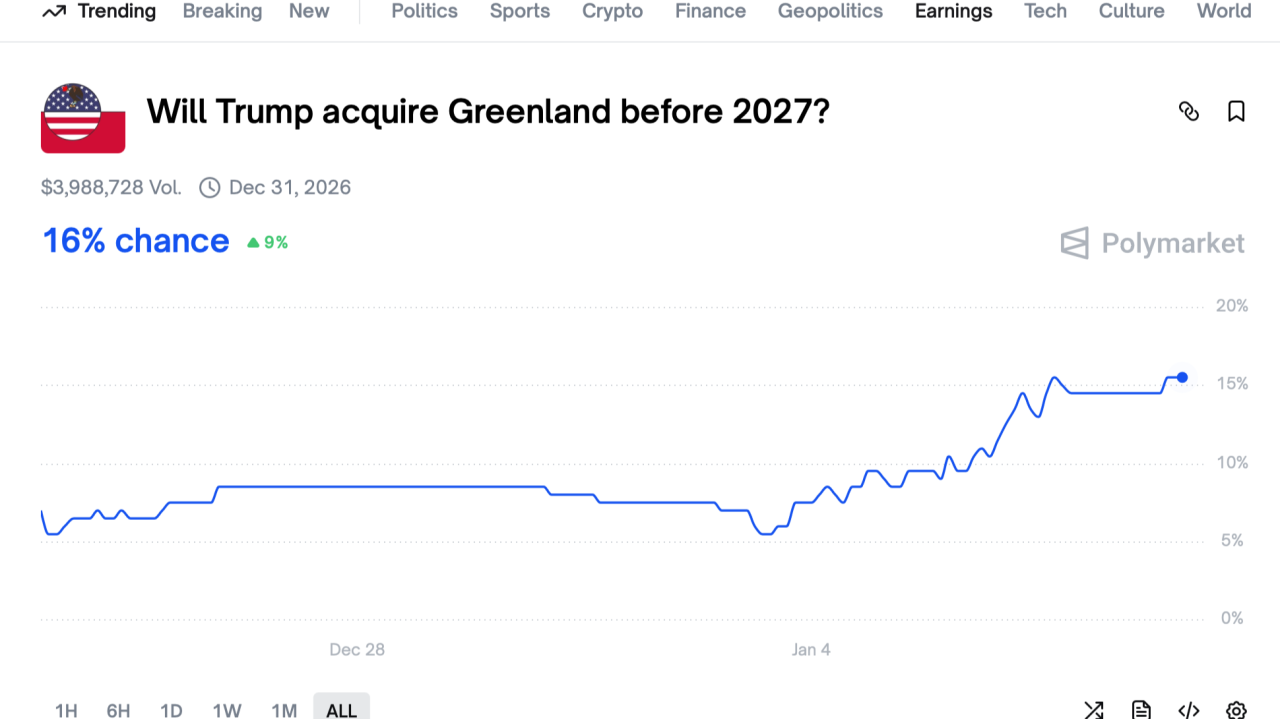
Prediction markets, markets that let people trade contracts on the outcome of real world events have gone from academic curiosity to cultural phenomenon to institutionalised financial infrastructure in the space of a few decades.
These markets have undergone a staggering expansion, growing roughly 130-fold in two years as online bettors gravitate toward contracts tied to sports, politics and cultural moments. Monthly volumes on platforms like Polymarket and Kalshi jumped from under $100 million in early 2024 to more than $13 billion by late 2025.
Today, they are at the centre of a debate that isn’t just semantic: Is this still investing or a glorified form of gambling?
Why It's Harder to Tell Gambling From Investing Nowadays
As Bloomberg’s Why It’s Harder to Tell Gambling From Investing Nowadays argued, the speculative tools of modern markets—from zero-days-to-expiry options (0DTEs) and leveraged ETFs—to memecoins, tokenised stocks, and event contracts tied to everything from the Consumer Price Index to the NFL have collapsed time horizons and amplified volatility. In doing so, they have made traditional definitions of investing increasingly difficult to sustain.
Prediction markets sit at the heart of this fusion. They offer real risk transfer and hedging functions, but the retail UX often feels like a sportsbook. Their prices are probabilities, the market’s aggregate belief is about what will happen, yet the behavioural dynamic often resembles gambling psychology more than disciplined hedging.
The Maduro Episode: Insider Trading?
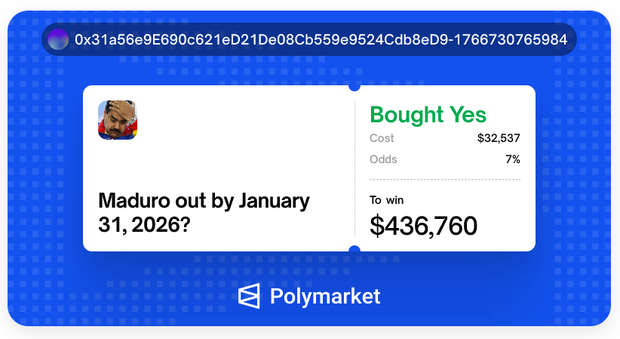
This debate crossed a legal and ethical threshold when traders made large, precisely timed bets on Nicolás Maduro’s removal, just hours before U.S. forces captured him. In one case, a newly created wallet turned roughly $32,000 into more than $400,000 in profit on Polymarket.
Controversy erupted when:
From Crowd Wisdom to Dopamine Markets: A Brief History
Early academic roots (1980s–1990s). Prediction markets began as an idea in social science and economics: if you let people stake money on outcomes, the resulting prices might aggregate dispersed information and outperform polls or expert forecasts. The Iowa Electronic Markets pioneered this concept by letting students trade on U.S. election results with small amounts of real money; prices often proved better indicators of outcomes than major polls.
Internet boom and niche trading (2000s–2010s). Platforms such as Intrade and later PredictIt brought the idea online. PredictIt, owned by a university-based research project operated under a CFTC no-action framework and explored political and economic event markets with real bets.
Regulated experiments (2020s). By the early 2020s, the idea matured into regulated derivatives markets.
Kalshi, launched in 2021 as a CFTC-approved designated contract market offering event contracts on economic indicators and policy outcomes, represented a major step toward real financial legitimacy. In parallel, Polymarket, a crypto-based platform founded in 2020, became one of the most visible prediction markets, processing billions of dollars in event contracts though initially outside compliant U.S. derivatives frameworks.
2025–2026: The Big League Arrives
By late 2025, prediction markets had ceased to be fringe experiments, as both Polymarket and Kalshi, the biggest businesses in the sector, have received multibillion-dollar valuations in recent months.
Kalshi raised $1bn at an $11bn valuation from investors including crypto investment firm Paradigm, Sequoia, Andreessen Horowitz and CapitalG.
Intercontinental Exchange (ICE), the owner of the New York Stock Exchange said it would invest up to $2 billion in Polymarket at an ~$8 billion valuation, signalling that event-based trading can be a core data product and institutional feed.
CME Group teamed up with FanDuel to offer event contracts linked to sports, economic indicators, and major indexes, further blurring traditional market boundaries.
Robinhood, which has built its own prediction-markets hub, reported that these products are among its fastest-growing revenue segments, reaching hundreds of millions of funded retail users and processing billions in event contracts.
A coalition of operators including Kalshi, Coinbase, Robinhood and Crypto(dot)com formed an industry alliance to advocate for prediction markets and integrity standards.
These developments reflect a seismic shift: markets once dismissed as “just bets” are now financial products embedded in mainstream apps, brokerages and derivatives infrastructure.
Food for Thought
Prediction markets are more than bets on elections or sports. They are real-time markets for belief, where probabilities turn into prices and future outcomes become assets to be traded. The industry’s evolution from academic experiment to regulated derivatives to institutional capital inflows reflects both the innovation and the tension at the core of modern finance.
The question then becomes: what happens when profit incentives meet unequal access to information in markets designed to price the future?
At Nevv, we curate legacies. Our strategy is to provide sophisticated investors the tools, insights, and access to participate intelligently in the alternative assets universe.*
DM or WhatsApp us to learn more.*
*For professional and accredited investors only!
Disclaimer: This edition of Constellation is shared for general information and educational purposes only. It does not constitute investment advice or a personal recommendation, nor should it be treated as an offer to sell, a solicitation to buy, or an invitation to engage in any transaction involving securities, funds, alternative assets, or any other financial instruments.
Past performance is not a reliable indicator of future results. The value of investments can fall as well as rise, and readers may not recover the amount originally invested. Before taking action, readers should seek independent financial, legal, tax, or other professional advice appropriate to their individual circumstances.
This publication does not include paid promotions, partnerships, or sponsored endorsements of any kind.