Constellation · Nevv Capital
Silver: "The Devil's Metal" That Dances With Destiny
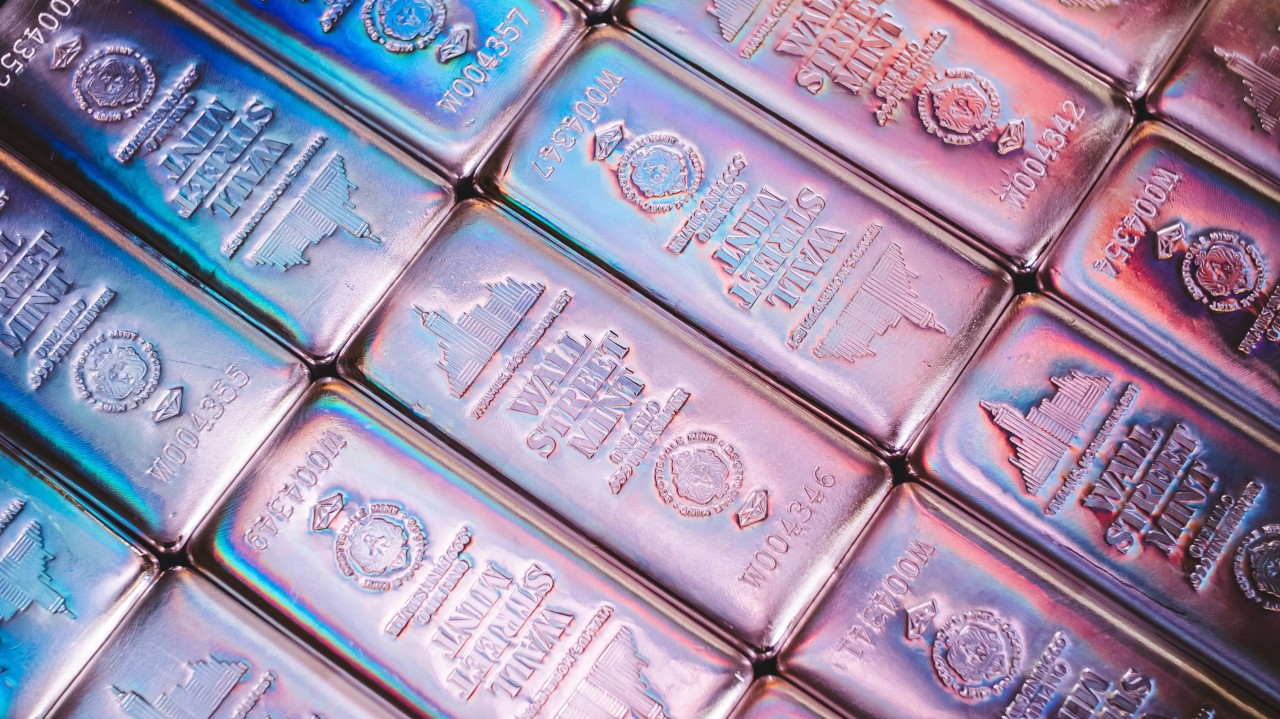
For much of history, silver was cast as the lesser metal; practical, spendable, and ubiquitous. Gold was reserved for kings; silver for wages, trade and the everyday exchange.
Silver has been money, medicine, and mystery, earning the moniker "devil's metal" for its wild swings that can enrich or ruin in a heartbeat.
Silver has more than doubled this year, breaking past its old 1980 and 2011 highs, and as we stand on the cusp of a new technological dawn in late 2025, with solar panels gobbling it up and electric dreams electrifying its demand, silver whispers a provocative question: Is this still the poor man’s gold or something far more strategically valuable?
Let's trace its glittering path, from ancient vaults to tomorrow's circuits, and ponder where its next leap might land.
A Metal That Funded Empires
Long before modern financial markets, pricing mechanisms, and investment products existed, silver was already used as real, everyday money.
By the 18th and 19th centuries, this balance was formalised in bimetallic systems.
So for centuries, markets implicitly treated ~15–16 ounces of silver as worth one ounce of gold.
Then the script flipped.
In the late 19th century, states quietly abandoned silver, moving towards a pure gold standard, the so called “demonetisation” of silver. Silver went from equal monetary pillar to volatile by product of gold, lead and zinc mining. The monetary downgrade set up the structural undervaluation story we’re still living with.
Once silver was demonetised, its balance with gold broke down. A ratio near 15:1 in the early 1700s now sits around 66:1. If silver is regaining a monetary or strategic role, then it is exceedingly cheap at these levels.
The First Industrial Revolution: From Coinage to Conductivity
In medieval Europe, it minted the silver penny. By the 12th century, German silversmiths alloyed it with copper to create "sterling silver," a 92.5% pure standard that endures today.
Its antimicrobial properties were recognised long before germ theory. Surgeons used silver wire in the 19th century to reduce infection; alchemists pursued it for supposed lunar properties; households relied on it for preservation and hygiene.
The First Industrial Revolution transformed silver again. As communication networks expanded and early electrical systems emerged, silver’s unmatched conductivity made it indispensable. It wired telegraphs, plated mirrors, reflected light into factories and enabled technologies that defined industrial progress.
Photography cemented its industrial credentials. From Daguerre’s 1839 process onward, silver salts captured memory itself, turning the metal into a medium for both technology and culture.
New electroplating techniques allowed thin layers of silver over base metals, democratising silver objects for the rising middle class. Demand surged as urbanisation boomed; London's silver market became a nerve center, funding railways that stitched continents.
By the 19th century, silver was no longer just money. It had become material infrastructure; functional, symbolic and increasingly irreplaceable.
Why Silver Became “The Devil’s Metal”
Silver’s darker reputation has two overlapping origins.
In modern markets, traders learned that silver moves differently from gold. With a smaller market and a greater sensitivity to speculative positioning, silver has a habit of moving faster, further and more violently. Sharp rallies and sudden collapses earned it nicknames like devil’s metal, devil’s money and widow-maker, labels born not of superstition, but of experience.
Older folklore tells a harsher story. Medieval miners in Central Europe spoke of malevolent ores and poisonous fumes. The term kupfernickel ,“ Old Nick’s copper”, emerged from frustration with stubborn ores that yielded nothing of value. Over time, mining danger, superstition and volatility fused into mythology.
Over time, online commentary sometimes blends these legends. Today, the meaning is simpler; the devil’s metal is really about silver’s volatility and its habit of humbling over confident traders.
Reborn in the Age of Technology
If the Industrial Revolution forged silver’s industrial identity, the current technological cycle is redefining its strategic importance.
Once dominated by photography, silver’s demand profile has shifted decisively toward electrification and clean energy. Solar photovoltaics, power electronics, electric vehicles, data infrastructure and advanced manufacturing all rely on silver’s conductive efficiency, often where substitution is difficult or uneconomic.
Industrial applications now account for a substantial share of global silver demand, with solar alone absorbing a rapidly growing portion. Global demand hit a record 1.2 billion ounces in 2024, projected to climb 4.5% annually through 2034, driven by green energy. As energy systems electrify and data intensity rises, silver’s role is becoming less discretionary and more structural.
The Silver Institute forecasts automotive demand growing 3.4% yearly to 2031, as EVs proliferate. Solar? It could consume 85–98% of reserves by 2050 if unchecked.
Supply, meanwhile, has struggled to keep pace. Silver is rarely mined in isolation, making output less responsive to price signals. Years of underinvestment, combined with geopolitical and regulatory friction, have tightened availability just as demand accelerated, producing persistent deficits and an unusually sharp price response.
Price Spikes, Then and Now
Historically, silver does not move gradually.
In 1980, a speculative frenzy pushed prices briefly to extraordinary levels before collapsing. In 2011, post-crisis liquidity and inflation fears sparked another sharp spike, followed by a long retracement.
The current cycle looks different.
This year, silver has outperformed gold, not on speculative enthusiasm alone, but alongside tangible demand tied to energy transition and technology. Rather than replacing gold, silver is carving out a distinct role, part macro hedge, part industrial necessity.
That dual identity is what distinguishes this cycle from earlier episodes.
Major institutions now cluster forecasts well above pre-2025 assumptions, reflecting sustained deficits and rising industrial absorption. Many of these forecasts were published before silver printed above $60 and even $66 this month, which means the market path has already outrun several institutional baselines, increasing the odds that 2026 becomes less about upside potential and more about how long tightness persists.
Food for Thought
A world racing to decarbonise, digitise and defend itself is quietly repricing what cannot be substituted. Silver sits precisely at that intersection; finite, functional and difficult to substitute.
It behaves less like a traditional commodity and more like a technology asset disguised as a metal; long stretches of neglect, interrupted by bursts of intensity and excess.
For long-term allocators, the real question is not whether silver trades at $75 or $100. Markets will answer that in their own time.
The deeper question is how to value a metal that once backed coins, now enables clean energy and advanced technology, yet still trades as if it were peripheral to the next industrial revolution.
At Nevv, we curate legacies. Our strategy is to provide sophisticated investors the tools, insights, and access to participate intelligently in the alternative assets universe.*
DM or WhatsApp us to learn more.*
*For professional and accredited investors only!
Disclaimer: This edition of Constellation is shared for general information and educational purposes only. It does not constitute investment advice or a personal recommendation, nor should it be treated as an offer to sell, a solicitation to buy, or an invitation to engage in any transaction involving securities, funds, alternative assets, or any other financial instruments.
Past performance is not a reliable indicator of future results. The value of investments can fall as well as rise, and readers may not recover the amount originally invested. Before taking action, readers should seek independent financial, legal, tax, or other professional advice appropriate to their individual circumstances.
This publication does not include paid promotions, partnerships, or sponsored endorsements of any kind.