
Constellation · Nevv Capital
Story of Spice: How The Original Alt-Asset Led to the World's First IPO in History
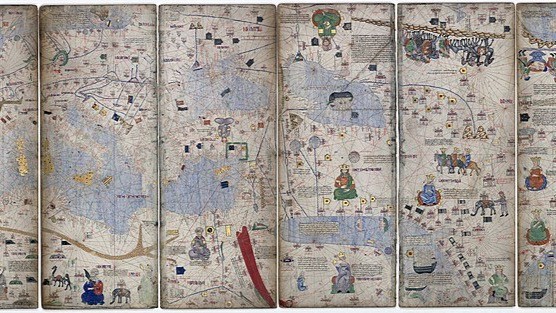
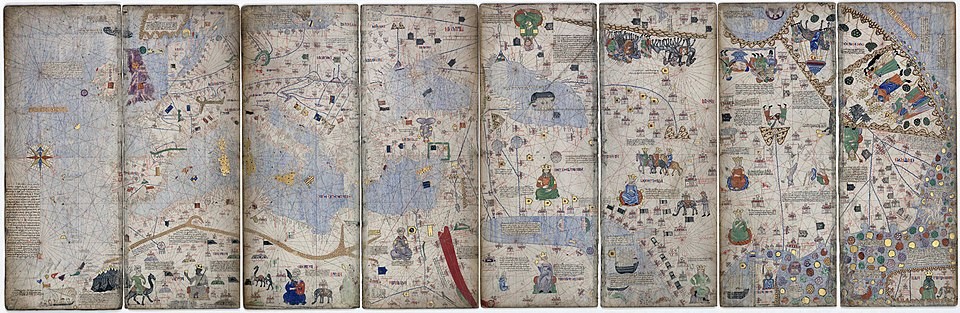
How the World Learned to Trade Desire
Spices were more than culinary luxuries, they were the world's first alternative assets. In 5000 BCE, a Mesopotamian hunter crushed wild cumin, releasing a fragrance that didn't just season stew, it seeded an empire. By 3000 BCE, Egypt's pharaohs launched fleets to Punt's shores for myrrh and frankincense to honour gods and preserve mummies. Cinnamon slithered from Sri Lanka's mist-shrouded peaks, cassia from China's emerald vales, paddled by Austronesian sailors who laced the Indian Ocean with cloves by 1500 BCE.
The term spice originates from the Latin speciēs, "kind" or "sort", which morphed into French espice and into English as shorthand for elite imports, those aromatic "species" of luxury that shouted wealth louder than gold. Spices were versatile: preservatives for unrefrigerated feasts, medicinal remedies, ginger for seasick sailors, turmeric for wounds, cloves for toothaches, and ritual tools, curling through temples and ceremonies worldwide.
Silk, Tea, and Spices: Ancient Alternative Assets
Spices weren’t alone in shaping early global wealth. Silk, tea, porcelain, and later opium all competed for prestige and profit, each a proto alternative asset in its own right.
Silk travelled the Silk Road from as early as the 2nd century BCE, linking China’s Han dynasty hoards to Roman banquets with markups that could exceed 1,000%.
Tea flowed along the Tea Horse Road by the 7th century CE, traded for Tibetan warhorses and eventually fueling British and Dutch fortunes. Porcelain, the white gold of the Ming era, reached Africa and Europe at immense markups, prized as both luxury and status. Centuries later, opium would reverse those trade currents, destabilising Qing China and reshaping global power balances.
Among them, spices often outperformed. Records from the Dutch East India Company (VOC) show that some nutmeg ventures yielded annual returns exceeding 18%, a figure that would make even modern hedge funds envious.
Spice Prices: Then vs. Now and vs. Gold
In the 16th century, spices like saffron and nutmeg were more valuable than gold. For instance, saffron was priced to cover annual expenses for Venetian nobility per pound. Nutmeg was priced at roughly three times the value of gold, while black pepper was a status symbol across medieval Europe, sometimes priced at its weight in silver. In some regions, pepper was even used as currency or for paying rent and taxes. Vanilla, though less prominent in Europe at the time, was rare and expensive due to its labor intensive cultivation and import from the Americas.
Today, while the prices have adjusted for inflation and market dynamics, certain spices still command high prices.
Even after four centuries, saffron’s rarity and labor intensive cultivation ensure that it retains a prestige and value comparable to gold, proving that scarcity and desirability can sustain wealth across generations.
London and the Spice Trade
London’s maritime strength and strategic location made it a key hub for early global trade. The British East India Company, founded in 1600, became a dominant force in importing spices and other goods from India and, later, Southeast Asia, fueling the city’s financial ascendancy. The docks of the East End bustled with spices, leaving a legacy still visible in modern London finance.
The fall of Constantinople in 1453 forced Europeans to seek new maritime routes to Asia. Vasco da Gama’s voyage to Calicut in 1498 opened direct trade with India, while Columbus’s expeditions to the New World (1492–1504) indirectly expanded European spice access. These routes laid the foundation for European empires and corporate dominance over exotic commodities.
VOC’s Birth: 1602 — From Spices to Shares, and History’s First IPO
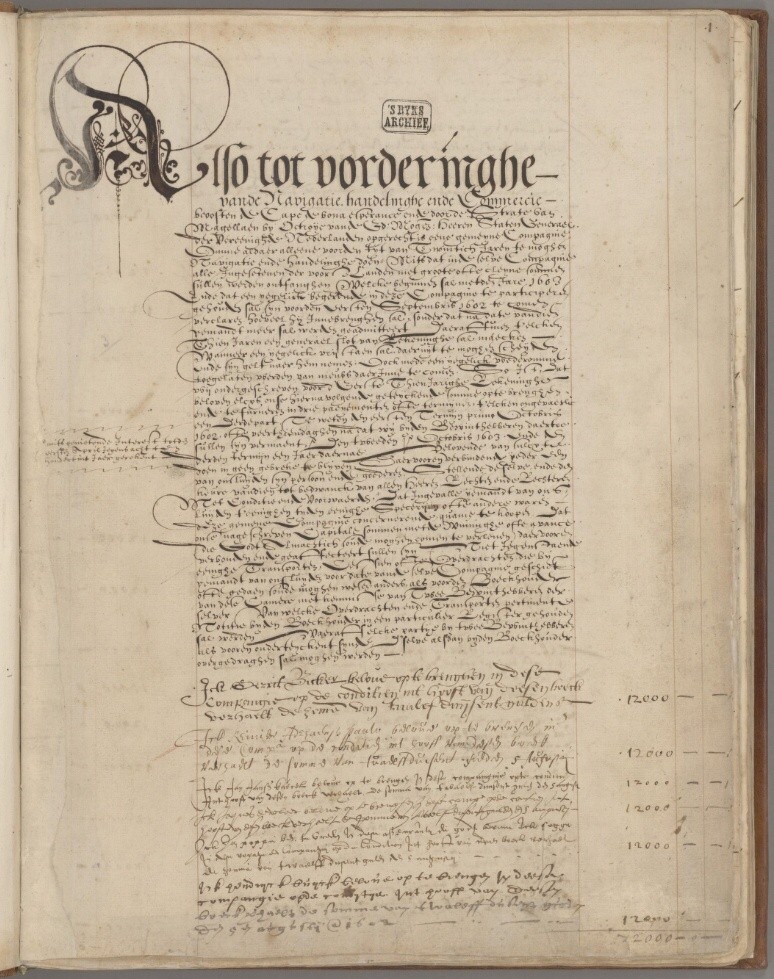
The Vereenigde Oostindische Compagnie (VOC), or Dutch East India Company, marked the turning point from ancient barter to modern finance. Formed on 20 March 1602, it united several Dutch trading outfits to challenge Portuguese dominance in Asia.
Its charter granted a 21-year monopoly over the East Indies trade, but its true revolution lay in capital raising. That August, the VOC issued public shares worth 6.5 million guilders, the first recorded initial public offering (IPO) in history.
The IPO has led to the creation of the Amsterdam Stock Exchange, considered the world's first stock exchange. 1,143 Dutch investors from diverse social strata had subscribed via Amsterdam’s new exchange, effectively democratising risk and reward. For the first time, all Dutch citizens could purchase transferable shares and profit directly from the spice fleets returning from Java and Sumatra.
The IPO had been announced in the VOC charter, the company’s founding document of March 20, 1602. "All the residents of these lands," stated article 10, "may buy shares in this company." Subscribers could decide for themselves how much to invest, and there was no minimum or maximum amount set for investing in the IPO.
Before the VOC, such ventures were the domain of elite backers and royal patrons. The 1602 IPO scaled the model of exploration into an enduring financial system, linking the ancient legacies of trade, from Egypt’s Punt expeditions (c. 2500 BCE) to shareholder dividends, transforming perishable goods into permanent capital.
Yields of 18%: Pepper Fleets as Profit Engines
Pepper was the backbone of the VOC’s spice fuelled prosperity. Sourced from Malabar Coast plantations, it dominated early cargoes, sometimes accounting for up to 50% of exports in the 1610s–1620s. Fleets like the 1605 expedition of 12 ships returned with cargoes valued at millions of guilders.
These voyages, sailing along the Cape Route, generated exceptionally high margins thanks to the VOC’s monopoly privileges. Some individual shipments achieved 400% gross profits, though typical returns were lower.
Financial records show that in the early decades (1602–1670), VOC voyages delivered consistent dividend payouts of 12–18%, particularly in peak spice years. Over the long term (1603–1697), reinvested VOC portfolios averaged around 8.7% annual returns, substantially higher than Dutch government bonds (4–5%), though VOC dividends carried far greater risk, from shipwrecks to monsoon failures.
Pepper’s strategic value was unmistakable. Its low volume, high value cargo allowed the VOC to diversify beyond nutmeg and cloves, hedging against monsoon failures and regional crop risks while meeting Europe’s relentless appetite for spices. Each ship’s hold carried more than goods, it was a profit engine that helped fuel the Dutch empire.
Diversification from Dutch Tulips: History's First Recorded Bubble
While VOC shares offered steady, reliable returns, Dutch tulips were the subject of wild speculation. Introduced from the Ottoman Empire in the 1590s, tulip bulbs became highly coveted.
By 1636, a single Semper Augustus bulb could cost as much as a canal house in Haarlem, driven by frantic trading and futures contracts. When the history's first recorded bubble burst in February 1637, many fortunes were wiped out almost overnight.
Food for Thought
Spices were the proto alternative assets, offering high returns, diversification, and even geopolitical influence. They fueled empires, shaped global trade routes, and left a legacy that still resonates today. While the methods of trade have evolved, the core principles of investing in valuable commodities remain unchanged.
As we navigate modern markets, the lessons of the spice trade provide timeless insights into supply, demand, and the pursuit of wealth. Whether it’s the golden threads of saffron or the rich aroma of vanilla, these spices continue to captivate and inspire, a reminder of an era when flavour and fortune were inseparable.
At Nevv, we curate legacies. Our strategy sits at the intersection of these exclusive worlds, giving sophisticated investors the tools, insights, and access to participate intelligently in the alternative assets universe.*
DM or WhatsApp us to learn more.*
*For professional and accredited investors only!
Disclaimer: This analysis is provided for informational purposes only and should not be considered as personalised investment advice. Past performance does not guarantee future results. Investors should consult qualified professionals before making any investment decisions.