Constellation · Nevv Capital
The Art of Returns: Fine Art Investing
Alternative Asset Spotlight - September 2025
Fine art transcends aesthetics, it's a powerful alternative investment for portfolio diversification and wealth preservation. Among alternative investments, fine art stands out as both a passion play and a sophisticated financial instrument. The global art market reached roughly $65 billion in 2024 (UBS/Art Basel Report), and institutional investors, family offices and ultra-high-net-worth individuals are allocating 5–15% of alternative portfolios to art and collectibles.
Through Nevv’s Fund I, members gain curated, institutional-grade access to high-potential artworks across blue-chip and rising contemporary segments. We combine rigorous due diligence with long-term holding strategies to capture the financial upside of art ownership while protecting its cultural legacy.
Why Fine Art Deserves a Place in Your Portfolio
Fine art offers unique advantages that complement traditional investment strategies:
Historical Performance: The Numbers Tell a Story
Drawing from UBS/Art Basel Market Reports and Sotheby’s and Christie’s aggregate auction data, fine art has delivered attractive long-term returns:
Headline results: Post-war and contemporary blue-chip works, particularly by Basquiat, Richter, and Kusama, have appreciated several-fold over the past two decades, while curated print markets and mid-tier post-street artists are increasingly gaining traction among collectors seeking accessible entry points.
Cumulatively, art has outperformed stocks by 133% in select segments over 26 years, with reduced downside risk. Post-war and contemporary works, like Jean-Michel Basquiat's (up over 1,000% in two decades), remain strong, alongside thriving prints.
Getting Started: Your First Steps into Art Investing
Your Investment Thesis
Successful art investing begins with clarity about your objectives. Are you seeking capital appreciation, diversification, or the personal enjoyment of ownership? Your goals will influence everything from artist selection to holding periods. Consider whether you prefer established masters with proven track records or emerging artists with higher growth potential.
Establish Your Budget and Timeline
Art investing requires patient capital. Unlike liquid securities, fine art typically requires 5-10 year holding periods to realize optimal returns. Transaction costs can be substantial, often reaching 25% when combining buyer's premiums, seller's commissions, insurance, and storage costs. Plan accordingly and only invest capital you can afford to hold long-term.
Build Your Knowledge Foundation
The art market rewards expertise. Before making acquisitions, invest time in understanding art history, market dynamics, and authentication processes. Attend gallery exhibitions, art fairs, and auction previews. Subscribe to industry publications. Consider formal education through programs at institutions like Sotheby's Institute or Christie's Education.
Building Your Art Investment Framework
Successful art investing requires systematic approaches rather than impulse purchases. Develop investment criteria that align with your objectives, risk tolerance, and expertise level. Regular portfolio reviews help identify opportunities for rebalancing or strategic additions.
Consider diversification across time periods, artistic movements, and price ranges. No single artist or style should dominate your collection. Maintain detailed records of purchases, expenses, and condition reports for tax and insurance purposes.
Monitor market trends through auction results, gallery activities, and museum acquisitions. Stay connected with art professionals including advisors, conservators, and specialized attorneys who understand this unique asset class.
Market Dynamics and Timing
The Future of Art Investing: Fractional Ownership
Technology and new investment structures are reshaping the art market:
Generational wealth transfer is creating new opportunities as younger collectors embrace contemporary and digital art forms. Climate change and geopolitical tensions are influencing both artistic themes and practical considerations around storage and transportation. However, traditional relationships and expertise remain crucial for navigating this evolving landscape.
Nevv actively monitors these innovations to ensure our members can benefit from credible, regulated opportunities while retaining the depth of traditional expertise.
Conclusion: Art as Investment and Legacy
Fine art investing combines both aesthetic pleasure and financial returns. By applying the same rigor as in other alternative assets, thorough due diligence, clear investment criteria and long-term thinking, investors can achieve meaningful returns while building meaningful collections for future generations.
Nevv’s Fund I stands at the intersection of these worlds, giving sophisticated investors the tools, insights and access to participate intelligently in this fascinating market.
DM or WhatsApp us to learn more.*
*For professional and accredited investors only!
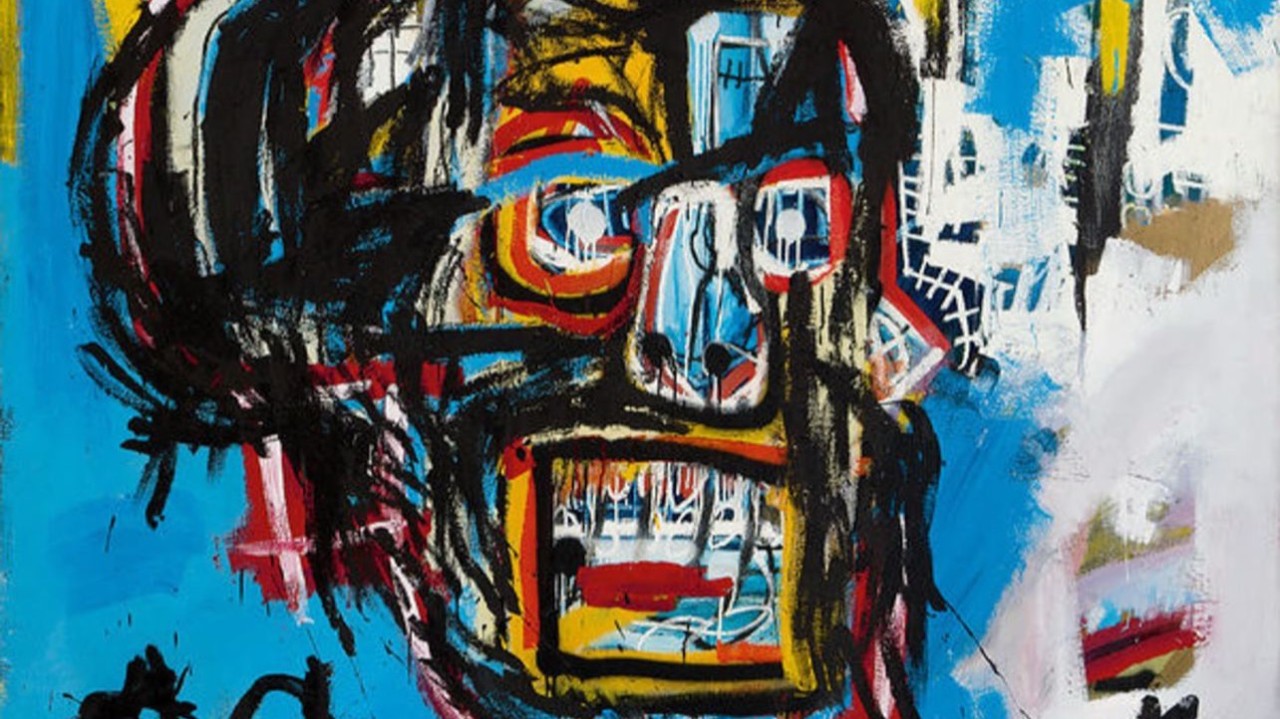
🎨 𝗝𝗲𝗮𝗻-𝗠𝗶𝗰𝗵𝗲𝗹 𝗕𝗮𝘀𝗾𝘂𝗶𝗮𝘁’𝘀 𝗨𝗻𝘁𝗶𝘁𝗹𝗲𝗱 (𝟭𝟵𝟴𝟮), depicting a powerful skull motif, 𝘀𝗼𝗹𝗱 𝗳𝗼𝗿 $𝟭𝟭𝟬.𝟱 𝗺𝗶𝗹𝗹𝗶𝗼𝗻 𝗶𝗻 𝟮𝟬𝟭𝟳, setting a record for the artist. This piece underscores Basquiat's significant impact on contemporary art. The painting was previously in the private collection of Jerry and Emily Spiegel for over 30 years, having been purchased for $19,000 at Christie's in 1984.
Disclaimer: This analysis is provided for informational purposes and should not be considered as personalized investment advice. Past performance does not guarantee future results. Art investing involves significant risks including illiquidity, authentication challenges, and market volatility. Investors should consult qualified professionals before making any investment decisions.