
Constellation · Nevv Capital
The Bloodline Legacy Strategy: Investing in Equine Excellence
At Nevv, we have always believed wealth tells a story, one written not just in numbers, but in legacy. Last week, we explored how cultural cachet turns celebrity homes into living assets, where every wall whispers provenance and every stay compounds allure.
This week, we turn to a very different kind of legacy: elite racehorses and bloodstock. Here, pedigree meets performance, and success is measured not in quarters, but across generations. Introducing The Bloodline Legacy Strategy, a trailblazing pillar in the alternatives universe, where capital is invested in elite stallions and champion broodmares, and where is wealth bred, and built.
Inside the World of Elite Breeding
What if your next investment didn't just appreciate in value, but could thunder down the track at 40mph, forge generational wealth, and leave a legacy that outlives any balance sheet?
Step inside the paddocks of Britain’s most prestigious studs: Shadwell, Juddmonte, Darley, Lanwades. The morning mist rises over fields where champions graze, their every movement honed for speed, stamina, and genetic potential. Trainers, bloodstock agents, and breeders orchestrate a meticulous ballet, feeding, conditioning, and assessing pedigrees, each decision carrying millions in potential value.
A single top stallion can command £250,000 per cover, mating with 150–250 mares each season. That’s over £60 million in annual stud fees, generated by a living, breathing asset whose value compounds with every foal. Broodmares, meanwhile, quietly architect dynasties. Their foals can fetch six or seven-figure sums at auction, with some elite examples surpassing £4 million, creating wealth that flows naturally from one generation to the next.
Royal Roots and British Legacy
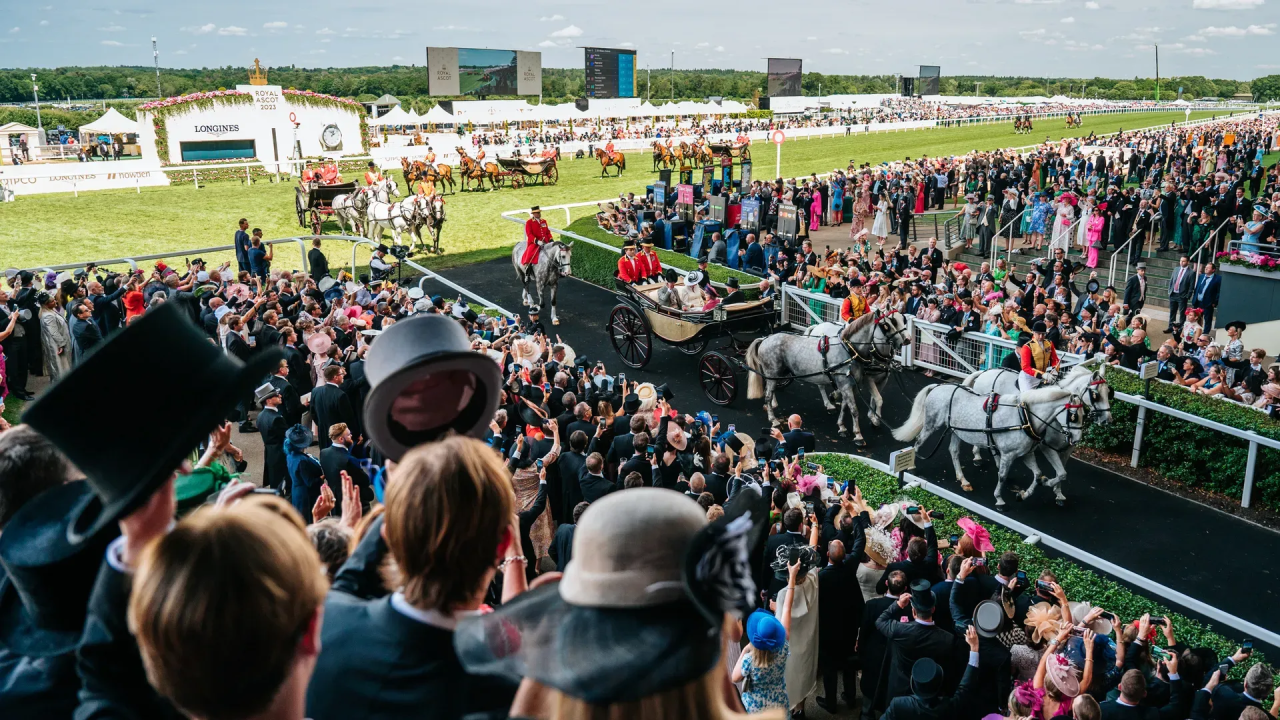
British horse breeding has deep roots in the monarchy, stretching back over 300 years. It began in 1711 when Queen Anne, a keen rider and devotee of the “sport of kings,” spotted a stretch of open heathland near Windsor Castle during a carriage outing. She deemed it perfect for horses to gallop flat out, and her vision led directly to the founding of Ascot Racecourse. What began as a royal initiative grew into a world-famous event, attracting top crowds, hosting high stakes races, and becoming central to British racing.
This royal connection endured through the centuries. King George III invested in Newmarket’s training grounds, helping establish it as a key hub of British racing. Under Queen Victoria, royal horses claimed victories in major races such as the Derby, reflecting both her passion for the sport and the confidence of Britain at the height of its empire.
In the 20th century, Queen Elizabeth II turned her love of racing into real success. She started owning horses in 1940 and became British Flat racing's leading owner in 1954 and 1957. The Queen's horses won four of the five Classics, including the 1957 Oaks with Carrozza and the 2013 Ascot Gold Cup with Estimate, her first win in that famous race after years of close calls. During her 70 year reign, she had 24 winners at Royal Ascot alone, and built up a stable of more than 70 horses.
Today, King Charles III carries the torch with quiet intensity, inheriting his mother's cherished string of thoroughbreds, dozens strong, valued at around £27 million. Though he has sold off some for environmental causes, his enthusiasm endures: visits to studs like the Duchess of Westminster's, patronage of racing scholarships, and a hands-on eye for breeding that echoes his late mother's devotion. From Queen Anne's heathland vision to King Charles's modern stewardship, the royals haven't just patronised equine excellence, they have bred it into Britain's soul, a legacy where crowns and canters entwine.
Icons of the Turf: Legendary British Champions and Their Enduring Fortunes
British horse racing has produced several famous champions whose careers and bloodlines have created significant value in the industry. Here are four standout examples, including their key achievements, turning grass into gold through prize pots, auction hauls, and bloodlines that pay dividends for decades.
Frankel was undefeated in 14 races and is considered one of the best racehorses ever. Trained by Sir Henry Cecil and owned by Prince Khalid Abdullah of Juddmonte Farms, his highlight was winning the 2012 Queen Anne Stakes at Royal Ascot by 11 lengths. He earned about £2.8 million in prize money. At stud, his fee started at £125,000 per cover in 2013 and is now £350,000. His offspring earned £10.8 million in 2023 alone, and his total stud fees are close to £50 million, with his bloodline contributing hundreds of millions overall through successful horses like Cracksman.
Red Rum is known for winning the Grand National three times, in 1973, 1974, and 1977—the only horse to do so. Bred in Ireland and trained in England by Ginger McCain, he earned £146,409 in prize money despite his smaller size. As a gelding, he did not produce offspring for breeding, but his story has inspired many fans and syndicates in racing.
Shergar was a standout racehorse whose career ended in tragedy. In 1981, he won the Epsom Derby, Britain's oldest flat race (dating back to 1780) and one of the most prestigious, by 10 lengths, the largest margin ever. He quickly followed with a win in the King George VI Stakes at Ascot, another top race. Trained by Sir Michael Stoute and owned by the Aga Khan, Shergar earned over £436,000 in prize money. His value reached £10 million through a syndicate, where 40 investors shared ownership to manage costs and risks.
In 1983, at age five, Shergar was kidnapped from his stable in Ireland by armed men who demanded a £2 million ransom. The case remains unsolved to this day. This cut short his "stud career", the lucrative phase where top stallions like him breed with mares to produce valuable offspring. He only had one season, siring 35 foals before disappearing; reports suggest he was shot and buried in a remote area to hide evidence. His legacy lives on, though: one of his offspring, Authaal won the 1986 Irish St. Leger, a major long-distance race. Horses with his bloodline still sell for higher prices at auctions today.
Arkle dominated steeplechasing in the 1960s, winning three Cheltenham Gold Cups from 1964 to 1966 and two Champion Chases. Bought for 1,150 guineas by the Duchess of Westminster, he earned £95,198 in prize money and became a national celebrity. As a gelding, he had no offspring, but his success influenced the sport and increased values for related bloodlines, like those of Desert Orchid.
Auctions, Records, and Prestige: Where Pedigree Meets Pure Adrenaline
The thrill isn't confined to the stables. Yearling sales are auctions, where major events happen at Tattersalls, Goffs, and Newmarket in Britain and Ireland. These sales attract buyers who bid on potential racehorses, and prices can reach millions due to the horse's expected future earnings.
At the Tattersalls October Yearling Sale in 2024, a colt by Wootton Bassett out of a Galileo mare sold for 4.3 million guineas. This set a European record for a yearling colt and was the highest price worldwide that year. The buyer was Amo Racing.
The Goffs London Sale in June 2025 had a total turnover of £7.5 million. The top lot was the Group 2 winner Ghostwriter, a colt bought by Amo Racing for £2 million. He is entered in major races like the Hardwicke Stakes at Royal Ascot.
Buyers inspect the yearlings before the sale, review their pedigrees, and watch the young horses move. The British bloodstock auction industry, including these sales, is worth over ~$400 - 500 million annually. Overall, global public bloodstock sales are on the order of $2.5–3 billion annually.
Accessing a Traditionally Exclusive World
Investing in racehorses and bloodstock once belonged to the realm of royalty, dynasties, and the ultra wealthy, a world of exclusive paddocks and private auctions. But today, innovation is reshaping that landscape.
New platforms and investment structures are opening the gates. Through syndicates, fractional ownership, and specialised investment funds, access to elite bloodlines is being democratised. These models distribute both cost and risk, allowing sophisticated investors to own a share of a thoroughbred or breeding prospect without needing millions upfront. What was once the preserve of a few is now a frontier for sophisticated investors seeking yield, diversification, and narrative driven value.
📈 Food for Thought
The Bloodline Legacy Strategy is the crossroads of genetics, grit, and grandeur, legacy investing reborn as a living, breathing force that races, reproduces, and compounds across generations.
At Nevv, we curate legacies. Our strategy sits at the intersection of these exclusive worlds, giving sophisticated investors the tools, insights, and access to participate intelligently in the alternative assets universe.*
DM or WhatsApp us to learn more.*
*For professional and accredited investors only!
Disclaimer: This analysis is provided for informational purposes only and should not be considered as personalised investment advice. Past performance does not guarantee future results. Investors should consult qualified professionals before making any investment decisions.